Nestled within the rugged beauty of England’s Northeast lies a rich tapestry of cinematic history waiting to be explored. From gritty dramas set against industrial backdrops to heart-warming tales of community and resilience, the films of the Northeast capture the essence of the region’s landscape, culture, and spirit. Join us on a journey through time as we uncover the fascinating history of film-making in this dynamic corner of England.
The roots of film-making in the Northeast can be traced back to the early 20th century when the medium was still in its infancy. Local theatres provided audiences with their first taste of the magic of cinema, showcasing early silent films and vaudeville acts. However, it wasn’t until the mid-20th century that the region began to truly make its mark on the silver screen.
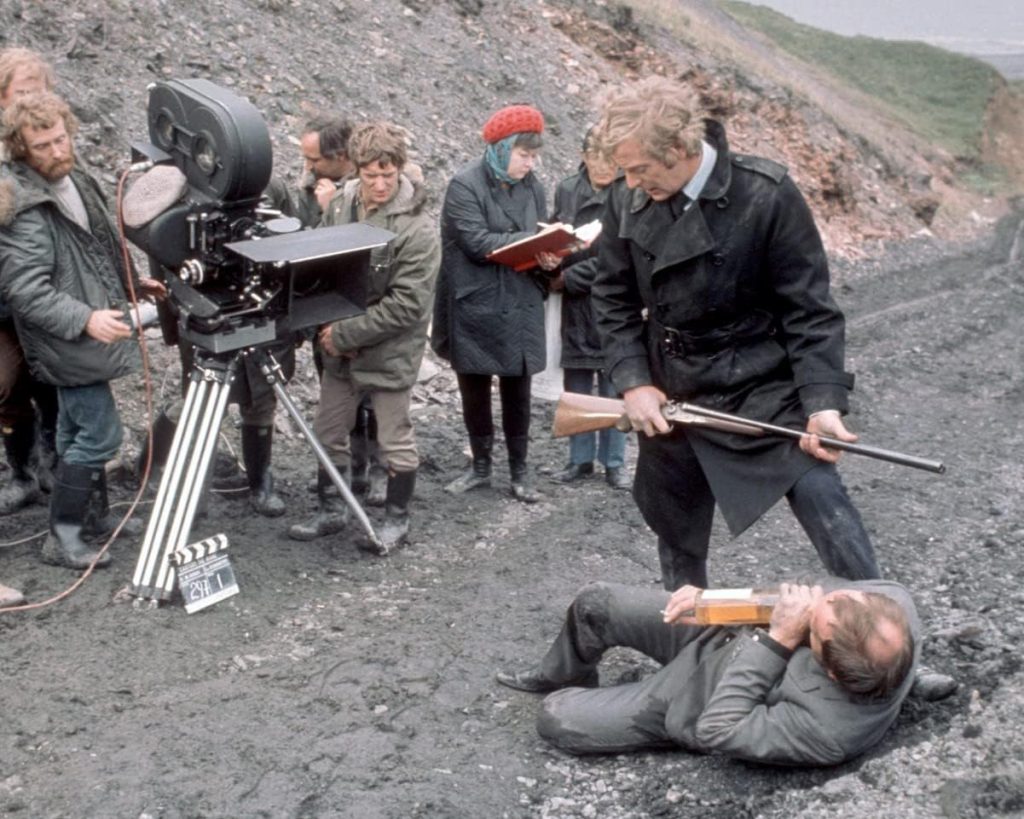
One of the earliest and most iconic films to emerge from the Northeast is “Get Carter” (1971), directed by Mike Hodges. Set in the gritty streets of Newcastle upon Tyne, the film follows the story of a London gangster, played by Michael Caine, who returns to his home town to investigate his brother’s death. “Get Carter” is widely regarded as a British crime classic and is celebrated for its atmospheric portrayal of the region’s urban landscape.
Continuing the trend of gritty realism, the 1980 film “Auf Wiedersehen, Pet,” created by Franc Roddam, captured the struggles of a group of unemployed construction workers from Newcastle who travel to Germany in search of work. The series was praised for its authentic portrayal of working-class life and remains a beloved classic to this day.
In addition to its gritty dramas, the Northeast has also been the setting for heart-warming tales of community and resilience. The 2000 film “Billy Elliot,” directed by Stephen Daldry, tells the story of a young boy from a mining community in County Durham who dreams of becoming a ballet dancer. Set against the backdrop of the 1984-1985 miners’ strike, the film is a poignant exploration of one boy’s struggle to pursue his passion against the odds.
Moreover, the North-east’s industrial heritage has provided film-makers with a wealth of inspiration. The 1997 film “The Full Monty,” although set in Sheffield, captures the spirit of working-class communities in the region. Directed by Peter Cattaneo, the film follows a group of unemployed steelworkers who form a male stripping troupe to make ends meet. With its themes of camaraderie and resilience, “The Full Monty” struck a chord with audiences worldwide and remains a beloved classic.
Beyond its on-screen representation, the Northeast has also nurtured a vibrant community of film-makers and creatives. The region’s supportive arts scene and access to resources have provided aspiring talent with a platform to showcase their work. Film-makers such as Mark Herman, Lee Otway, and Mike Figgis have emerged from the North-east’s creative landscape, making their mark on the industry with their unique storytelling styles.
Looking ahead, the North-east’s cinematic journey shows no signs of slowing down. The region’s annual film festivals, including the Newcastle International Film Festival and the Sunderland Shorts Film Festival, continue to celebrate the art of film-making, providing a platform for emerging talent to shine.
The history of film-making in the Northeast is a testament to the region’s resilience, creativity, and cultural richness. From gritty dramas set against industrial backdrops to heart-warming tales of community and resilience, the films of the Northeast capture the essence of the region’s landscape, culture, and spirit. As the region continues to evolve, so too will its cinematic legacy, ensuring that the Northeast remains an integral part of England’s cinematic tapestry for years to come.
Links to Films: